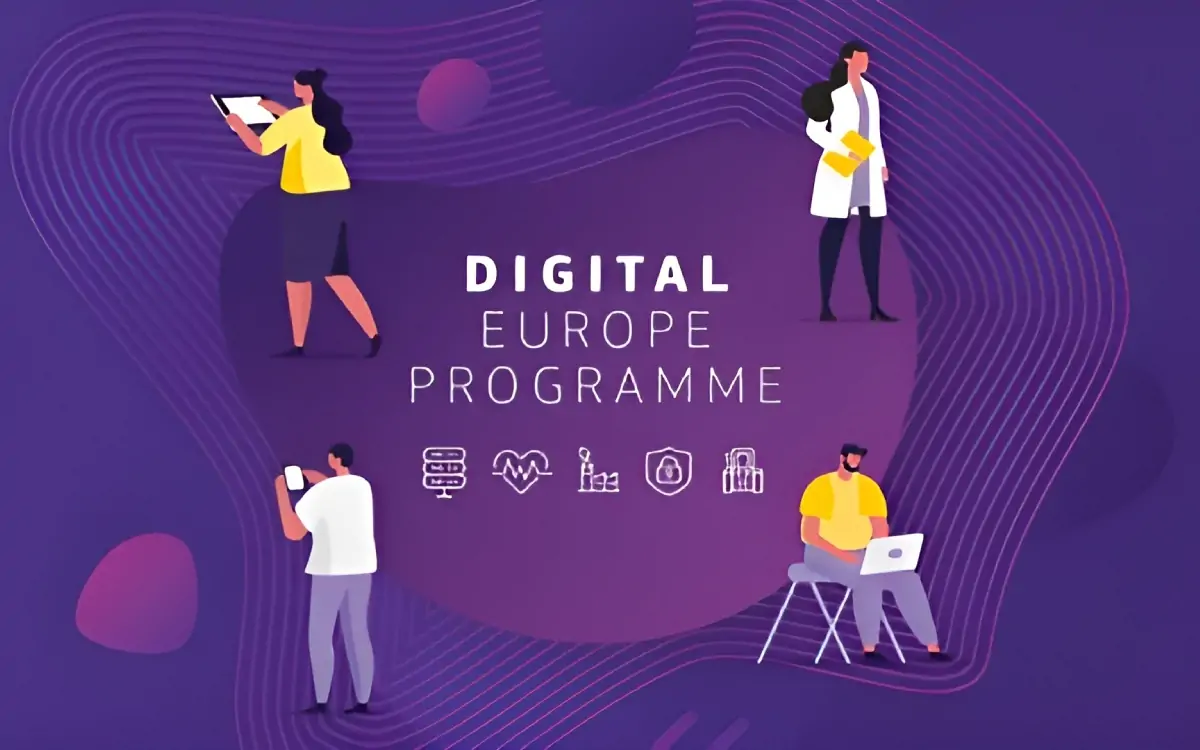
The Digital Europe Programme (DEP) continues to play a central role in shaping Europe’s digital future. In 2026, the programme places strong emphasis on AI adoption, digital skills, public sector transformation, and data-driven innovation, offering a wide range of funding opportunities for organisations across Europe.
With new calls opening throughout the year, now is the right time for organisations to prepare, align their strategy, and position themselves in competitive consortia.
What to Expect from Digital Europe in 2026
The 2026 work programme builds on the EU’s long-term vision for a secure, sovereign, and competitive digital ecosystem.
Key priorities include:
- Deployment and scaling of Artificial Intelligence applications
- Strengthening data infrastructures and interoperability
- Investment in advanced digital skills
- Digital transformation of public administrations and services
- Support for multi-country projects and cross-border collaboration
Unlike research-focused programmes, Digital Europe is designed to support real-world deployment, making it highly relevant for public authorities, SMEs, and organisations ready to implement digital solutions.
Featured Open Call
One of the currently open opportunities is:
MCP on Innovative and Connected Public Administrations
Call ID: DIGITAL-2026-BESTUSE-MCP-09-INNOV-ADMIN
Opening: 20 January 2026
Deadline: 19 May 2026
Type: DIGITAL Simple Grants
This call focuses on supporting the digital transformation of public administrations through innovative, interoperable solutions that improve efficiency and cross-border collaboration.
Upcoming Calls to Watch (2026)
A large number of calls are expected to open on 21 April 2026, covering multiple strategic areas:
AI, Data and Digital Innovation
- Digital solutions for regulatory compliance through data
DIGITAL-2026-AI-DATA-10-COMPLIANCE - AI-based image screening in medical centres
DIGITAL-2026-AI-PILOTING-10-SCREENING
Public Sector & Multi-Country Projects
- Situational awareness on information integrity
DIGITAL-2026-BESTUSE-RSF-10-AWARENESS - Support to the implementation of Multi-Country Projects: EDIC Support Hub
DIGITAL-2026-BESTUSE-MCP-10-HUB
Digital Skills & Education
- National Coalitions for Digital Skills and Jobs
DIGITAL-2026-SKILLS-10-NATIONAL-COALITIONS - EdTech Accelerator
DIGITAL-2026-SKILLS-10-EDTECH - Digital skills for AI uptake in health
DIGITAL-2026-SKILLS-10-DIGITAL-HEALTH-STEP
Health & Data Infrastructure
- Digital health services and European Health Data Space
DIGITAL-2026-BESTUSE-10-EHDS
Ecosystem & Support Actions
- Dissemination and exploitation support
DIGITAL-2026-SUPPORT-10-DISSEMINATION - Safer Internet Centres network expansion
DIGITAL-2026-BESTUSE-10-NETWORKSICs
All above calls are expected to have a deadline of 01 October 2026.
Why These Calls Matter
The 2026 calls clearly show a shift towards:
- Applied AI in real environments, especially healthcare and public services
- Stronger data governance and compliance tools
- Scaling digital skills across Europe
- Cross-border digital infrastructure and cooperation
For organisations, this means that success will depend not only on technical expertise, but also on strategic positioning, partnerships, and readiness to deploy solutions.
How EUcalls Helps You Navigate Digital Europe
Identifying the right call is only the first step. Building a strong consortium, aligning with priorities, and preparing a competitive proposal requires structure and the right tools.
With EUcalls, you can:
- Discover tailored Digital Europe funding opportunities
- Find and connect with relevant project partners
- Explore active project ideas and consortia
- Organise and manage your proposal development process
Whether you are preparing for upcoming calls or looking to join an existing consortium, EUcalls helps you move faster and more strategically.
👉 Start exploring opportunities: https://eucalls.net
Final Thoughts
The Digital Europe Programme 2026 offers a wide range of opportunities for organisations ready to implement digital solutions at scale.
With calls covering AI, data, skills, and public services, the programme is shaping the next phase of Europe’s digital transformation.
Early preparation, strong partnerships, and the right tools will be key to success.